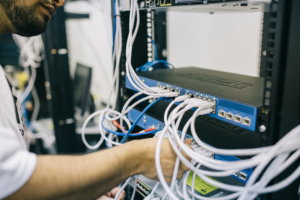
A reliable network is essential for the day-to-day operations of any business. Whether you’re opening a new office, relocating to a larger space, or upgrading an outdated network, professional Ethernet cabling installation provides the foundation for fast, secure, and dependable connectivity.
One of the most common questions business owners ask is, “How much does Ethernet cabling installation cost?” The answer depends on several factors, including the size of your property, the type of cabling required, the complexity of the installation, and your future networking needs.
Understanding these factors can help you plan your budget more effectively and invest in a network infrastructure that supports your business for years to come.
Why Professional Ethernet Cabling Is a Smart Investment
Today’s businesses rely on cloud-based applications, VoIP phone systems, video conferencing, security cameras, wireless access points, and shared network resources. While Wi-Fi provides flexibility, Ethernet cabling offers the speed, stability, and reliability that modern workplaces require.
A professionally installed Ethernet network helps minimize connectivity issues, improve data transfer speeds, and ensure consistent performance across multiple devices. It also creates a scalable infrastructure, making it easier to expand your network as your business grows.
Since every commercial property has unique networking requirements, the cost of Ethernet cabling installation can vary significantly. Understanding what influences those costs will help you make informed decisions and choose a solution that meets both your current and future business needs.
1. Size of the Building
The size of your office or commercial property is one of the primary factors that affects the overall cost of Ethernet cabling installation.
Larger buildings typically require longer cable runs, more network drops, additional materials, and increased labor. Installers must also consider the distance between workstations, network equipment, and communication rooms to ensure reliable performance.
Projects involving multiple floors or larger office spaces generally require more planning and installation time, which can increase the overall project cost.
2. Number of Network Drops
A network drop is an Ethernet connection installed for a computer, printer, VoIP phone, wireless access point, or another network-enabled device.
The total number of network drops directly affects the cost of the project because each connection requires cable, connectors, wall plates, installation, testing, and labeling.
If you anticipate adding more employees or equipment in the future, installing extra network drops during the initial installation is often more cost-effective than making changes later.
3. Type of Ethernet Cable
The type of Ethernet cable you choose will influence both the cost and the long-term performance of your network.
Common options include:
- Cat5e: Suitable for many small businesses and supports Gigabit Ethernet.
- Cat6: Offers greater bandwidth and improved performance, making it a popular choice for modern offices.
- Cat6A: Designed for higher-speed networks and businesses planning for future expansion.
Selecting the right cable depends on your current networking requirements, expected growth, and long-term technology goals.
It’s also important to consider the lifespan of your network infrastructure when selecting cabling. Understanding how long Ethernet cabling lasts can help you plan future upgrades and avoid unexpected performance issues before they affect your business.
4. Installation Complexity
Every building has its own layout and structural challenges, which can affect the installation process.
For example, additional labor may be required when technicians need to:
- Route cables through finished walls
- Install cabling above suspended ceilings
- Navigate multiple floors
- Work around existing electrical systems
- Install protective conduit where required
More complex installations generally take longer to complete, which can increase labor costs.
5. Existing Network Infrastructure
If your business already has networking equipment in place, some components may be reusable.
These may include:
- Network racks
- Patch panels
- Cable trays
- Equipment cabinets
Reusing compatible infrastructure can help lower installation costs while still improving the performance and reliability of your network.
6. Quality of Installation Materials
The quality of the materials used also plays an important role in the total cost.
Professional installations typically include commercial-grade components such as:
- Certified Ethernet cable
- Patch panels
- Keystone jacks
- Wall plates
- Cable management systems
- Network racks
Although premium materials may have a higher upfront cost, they often provide greater durability, improved performance, and lower maintenance costs over time.
7. Cable Testing and Certification
Professional Ethernet cabling installation involves more than simply running cables.
After installation, each cable should be tested to verify:
- Proper termination
- Signal integrity
- Data transmission performance
- Overall network reliability
Comprehensive testing helps identify potential issues before the network is put into service, reducing the likelihood of future downtime.
8. Planning for Future Growth
Your networking needs are likely to change as your business grows.
Planning your Ethernet cabling installation with future expansion in mind can help reduce future upgrade costs and minimize business disruptions.
A scalable network can easily accommodate:
- Additional employees
- New workstations
- Security camera systems
- Wireless access points
- VoIP phone systems
- Smart office technologies
9. Local Building Requirements
Commercial cabling installations must often comply with local building codes and industry standards.
Depending on the property, requirements may include fire-rated cabling, approved cable routing methods, conduit installation, or specific equipment placement.
Working with an experienced installation company helps ensure your project meets all applicable requirements.
10. Experience of the Installation Company
The company you choose can have a significant impact on the quality and longevity of your network.
An experienced Ethernet cabling contractor will provide:
- Proper cable routing
- Organized cable management
- Accurate cable labeling
- Comprehensive cable testing
- A clean, professional installation
A well-installed network is easier to maintain, troubleshoot, and expand, helping your business avoid unnecessary downtime.
Even a professionally installed network may experience performance issues over time due to aging hardware, damaged cables, or improper configurations. If you’re already noticing connectivity problems, learning how to troubleshoot a slow Ethernet connection in an office can help you identify common causes before they impact productivity.
Why the Lowest Quote Isn’t Always the Best Value
Choosing the lowest-priced installation may seem like a smart way to save money, but it can lead to higher costs over time.
Poor-quality installations can result in:
- Slow network performance
- Frequent connectivity issues
- Increased maintenance expenses
- Difficult troubleshooting
- Premature cable replacement
Investing in a professionally installed network from the beginning helps improve reliability, reduce future repair costs, and protect your business from unnecessary disruptions.
Final Thoughts
The cost of Ethernet cabling installation depends on a variety of factors, including the size of your propery, the type of cable you choose, the complexity of the installation, and your plans for future growth. While every project is different, investing in a professionally designed and installed network can provide long-term value by improving reliability, supporting business productivity, and reducing future maintenance costs.
At Reliable Telecom, we provide professional Ethernet cabling installation services for businesses throughout Port St. Lucie, FL. Whether you need cabling for a new office, an expansion, or a network upgrade, our team can design and install a solution tailored to your business needs. Contact us today to learn how we can help build a dependable network infrastructure that supports your business now and in the future.